
Interview with Asylum Developer Agustin Cordes
We interview Senscape founder Agustin Cordes about his upcoming Asylum, the Dagon engine, and more.

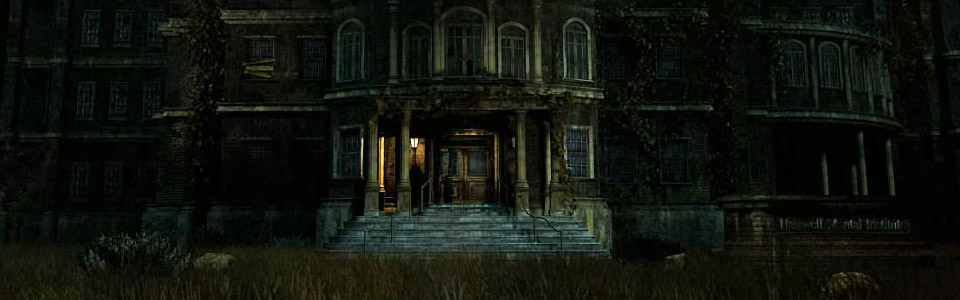
The explosion of the indie scene and digital distribution in the last few years has allowed for talent from all over the world to join the game industry. Agustin Cordes, designer of 2006’s Scratches recently gained notoriety with his contributions to the free adventure game Serena, which even gained Jay’s approval. He has also had a successful kick starter for his upcoming game Aslyum, which was recently greenlit on Steam. As if that wasn’t enough he’s also now in the process of taking his open source Dagon engine through Greenlight as well. Despite being busy these days, Agustin took some time to answer some questions about Asylum, the Dagon engine, and the industry in general.
Aside from the Lovecraftian influence, what other works inspired you in the creation of Asylum?
Lots of horror movies. Way too many to mention! I’ve been a huge fan of the genre for decades, but I guess I should mention strong influences from Sam Raimi, Lucio Fulci, Dario Argento, John Carpenter, and other legendary directors. Also, the brooding and moody Hammer Films of the 70’s. Still, Lovecraft is the absolute primary influence in Asylum.
What was the most challenging aspect of Asylum’s development? Which part did you enjoy the most (On Asylum or any game)?
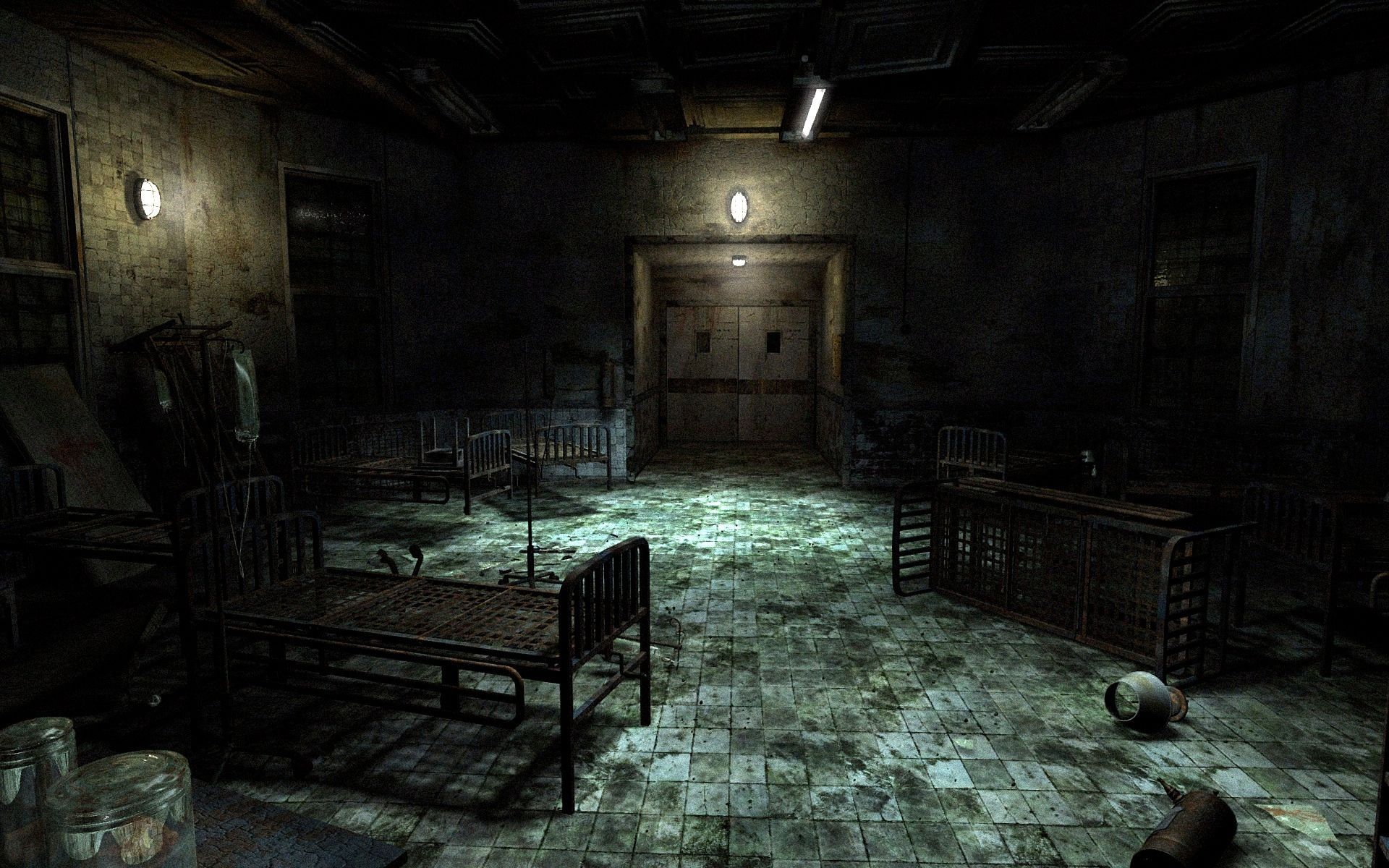
Hands down, the size of the asylum itself. You see, we want to provide players with the genuine feeling that they’re freely exploring this life-sized vintage mental institute, which of course are extremely large places. Even though you won’t be able to explore all of the Hanwell Mental Institute, it has countless of rooms, and all of them richly detailed and rendered with photo-realistic looks. As for the part I enjoy the most, it’s always once the game is finished and I can see people’s reactions, maybe even join the discussions myself.
What would you like those who have been following Asylum to know that isn’t conveyed in the trailers or press materials?
Well, I would like them to know that the game strongly relies on narrative and they shouldn’t expect a typical survival horror. It does look like one, I guess, because of its gritty and oppressive mood, but Asylum is 100% adventure, though it tries to stay away from the cliches of the genre. You won’t have to battle enemies, carry weapons or even run from them — Asylum is all about the story and every action you perform in the game has the only purpose to progress the plot.
Serena got a lot of attention for the circumstances that lead to its creation, but there were also interesting gameplay elements associated with it. What else might we see from the engine?
For now, we’re looking to improve the first person experience making it easier than ever to build such types of adventures. In particular, the upcoming version will support character interaction (which is also required for Asylum). Eventually we’re going to support third person adventures while keeping the same philosophy of simplicity, performance and portability.
From Serena, it’s clear the Dagon engine is impressive and had a lot of work put into it, why make it open source?
Thank you! I guess that I find the idea of giving something back to the community very attractive, and at the same time hope for some help. This model has worked great for Dagon as we’re already receiving valuable contributions and suggestions. It’s truly one of the goals established for Senscape: to build and nurture a strong community, and providing a free and open source engine is of vital importance to that end.
What do you feel are some of the unique challenges that come with an indie developer being a place like Argentina?
All the operational tasks like dealing with international banks, contracts, laws, etc. is a daunting work. Doable, but very demanding. Other than that, the unstable economy is starting to affect smaller companies like ourselves, but we can survive.
Digital distribution and crowd funding have clearly changed the industry in the past few years. What are some of the opportunities and challenges you have found with these new models?
They have opened a whole new world of possibilities to us. As an old-school gamer, I’m still lamenting the demise of big boxes with compelling content, but digital distribution is way more practical. We’re finally able to distribute our games ourselves, and crowdfunding in turn allows us to remain fully independent. It’s hard to tell how far this will go — crowdfunding is still a rather new concept, but I think it’s here to stay, and we indies can certainly make the most out of it. The downside of being indie is that, quite literally, you’re completely on your own when it comes to marketing and getting the word out. With so many games being released every week these days, that can make things very difficult for us.
You seem to be focused in the adventure genre right now. Do you expect to branch out to other genres in the future? What projects can we expect you to work on once Asylum is completed?
We’re planning to do adventures for as long as we can. Really, I love this genre very much and just don’t see myself working with other types of games in the foreseeable future.
We would like to thank Agustin Cordes for the interview. Aslyum is due later this year. You can find more information here.